

Quick answer
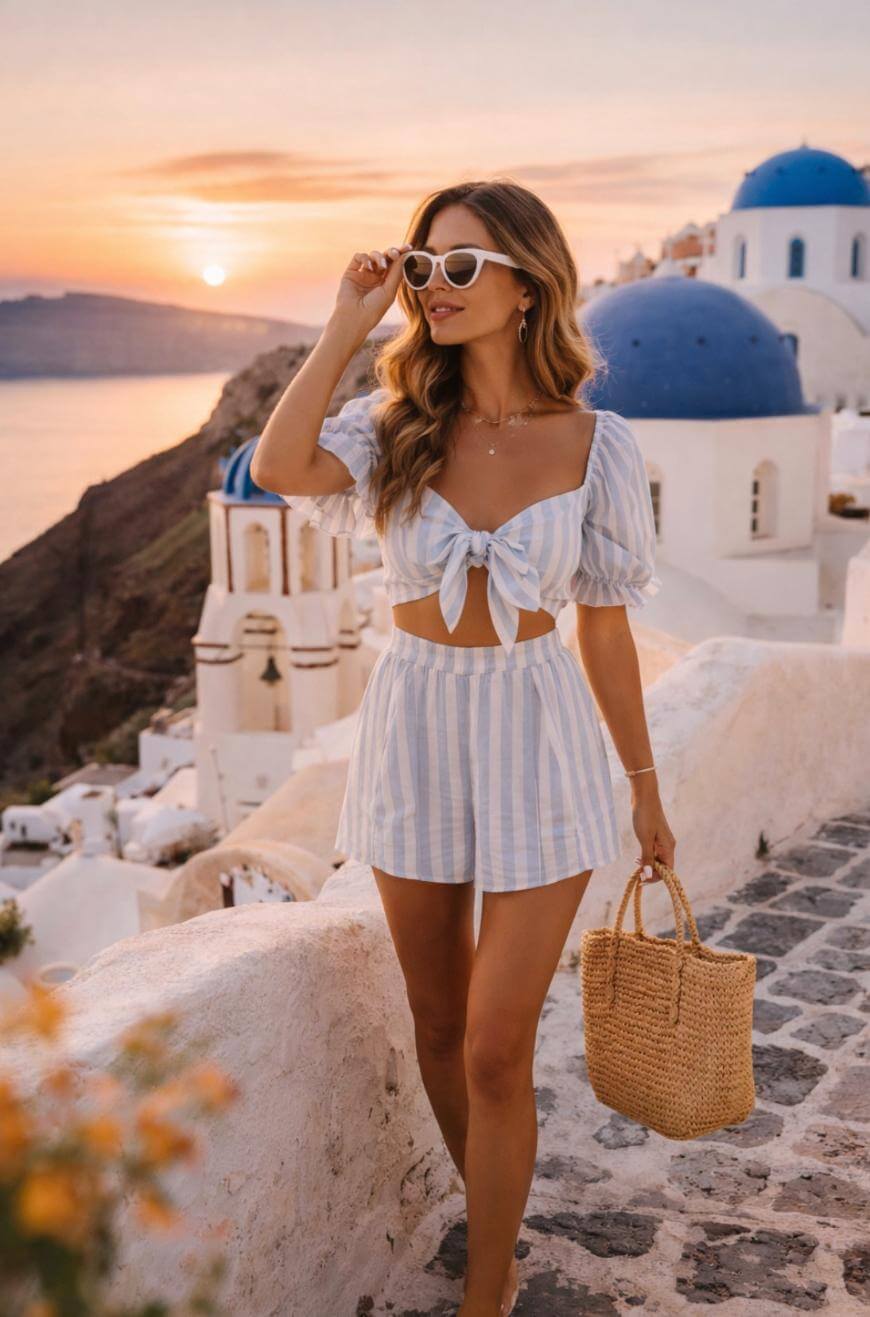
Pack breathable linen or cotton layers in light colors, closed-toe walking shoes with ankle support for uneven cobblestones and volcanic paths, a light cardigan or denim jacket for evening wind, and sun protection including a wide-brimmed hat and UV-rated sunglasses. The island's caldera villages sit at elevations between 150 and 350 meters, generating cooler temperatures after sunset even in summer months. Avoid heavy fabrics, restrictive clothing, and open-toed sandals as primary footwear.
Santorini receives 3,200 hours of sunshine annually, yet its position in the Cyclades exposes it to the meltemi winds that sweep the Aegean from June through September. This combination creates a microclimate where sun intensity and wind chill operate simultaneously. The island's volcanic substrate absorbs and radiates heat during midday, while its caldera-edge elevation generates temperature drops of 8-12 degrees Celsius between afternoon and evening. The terrain dictates fabric choices. Caldera-edge villages connect through networks of stepped pathways—Fira to Oia spans 1,200 stone steps across ten kilometers of ridgeline trail. Cobblestones polished smooth by centuries of foot traffic become slippery when wet from morning dew or sea spray. Light, moisture-wicking fabrics in whites and pastels align with both traditional Cycladic aesthetics and practical heat management. Natural fibers breathe better than synthetics in sustained sun exposure, while loose silhouettes allow air circulation without fabric clinging to sun-heated skin. Layering solves Santorini's temperature variability. A linen shirt over a cotton tank accommodates the transition from exposed clifftop walks to shaded tavernas built into cave houses. The same combination works for early arrivals during the recommended 08:00-11:00 window, when morning temperatures sit 6-10 degrees cooler than midday peaks. Evening temperatures in shoulder seasons—April, May, September, October—regularly drop below 18 degrees Celsius after sunset, making a light jacket non-optional for outdoor dining. Color matters beyond aesthetics. White and light-toned clothing reflects rather than absorbs the solar radiation that intensifies through reflection off whitewashed walls and pale pumice stone. Dark fabrics accelerate heat accumulation in an environment where shade structures remain sparse along most walking routes. The visual tradition of flowing white dresses against blue domes originated partly from this practical thermal logic, refined over generations of island living in high-UV, high-wind conditions.
“The island's volcanic substrate absorbs and radiates heat during midday, while its caldera-edge elevation generates temperature drops of 8-12 degrees Celsius between afternoon and evening.”
Seasonal Considerations for What to Wear in Santorini
Selecting the optimal time to visit Santorini depends on balancing seasonal weather patterns with daily crowd density. Aiming for the best arrival window of 08:00–11:00 helps visitors avoid mid-day heat and cruise ship crowds.
Spring (April–May)
ModerateMild temperatures 15°C–22°C; light layers needed.
Spring offers comfortable weather for walking, though evenings remain cool enough to require a jacket or sweater.
Summer (June–August)
Very highHot and dry 25°C–30°C+.
High temperatures demand breathable, lightweight fabrics like linen or cotton to remain comfortable during the day.
Autumn (September–October)
ModerateWarm to cooling 18°C–26°C.
The early autumn retains summer warmth, but cooling evening breezes make transitional layers useful for outdoor activities.
Weekday mornings
Low—
Arriving between 08:00–11:00 provides the most manageable conditions for movement and photography before peak congestion occurs.
Verdict: The best time to visit is during the shoulder months of April, May, or October, specifically arriving between 08:00–11:00 to avoid mid-day heat and cruise ship crowds.
Appropriate Attire and What to Wear in Santorini Churches
Santorini's churches and monasteries enforce conservative dress codes year-round. Covering shoulders and knees is mandatory at religious sites, and respectful attire helps maintain good relations with local communities.
Do
- Cover shoulders and knees before entering any church or monastery
- Carry a light scarf or shawl to wrap over shoulders when needed
- Wear modest clothing when walking through traditional villages like Pyrgos or Megalochori
- Remove hats and sunglasses inside religious buildings
Don't
- Don't enter churches in beachwear, tank tops, or shorts
- Don't wear revealing clothing in residential areas away from beach zones
- Don't assume all outdoor locations have relaxed dress expectations
- Don't ignore posted dress code signs at monastery entrances
Practical Gear and What to Wear in Santorini for Comfort
Practical Gear and What to Wear in Santorini for Comfort
Footwear Selection
Prioritize flat, rubber-soled sandals or trainers to navigate the slippery, polished cobblestones of Oia and Fira. Avoid thin-soled flip-flops which offer no protection or traction on steep inclines.
Wind Management
The caldera experiences strong gusts, so secure hats with chin straps or choose form-fitting headwear. Carry a light scarf or wrap to prevent garment displacement during high-wind intervals.
Sun Protection
Apply high-SPF broad-spectrum sunscreen before your 08:00–11:00 arrival window to counter intense Mediterranean UV reflection. Incorporate a wide-brimmed hat to provide shade for your face while exploring the open, treeless pathways.
Bag Choice
Use a lightweight, cross-body bag to keep your hands free for balancing on uneven terrain. Avoid large backpacks, which can easily catch on narrow passage walls or cause instability on steep staircases.
Cooling Strategy
Wear lightweight, breathable fabrics that allow air circulation against the skin. Carry a collapsible water bottle to stay hydrated while moving between photo locations, as public refill points are limited.
Styling for Views: What to Wear in Santorini Photo Locations
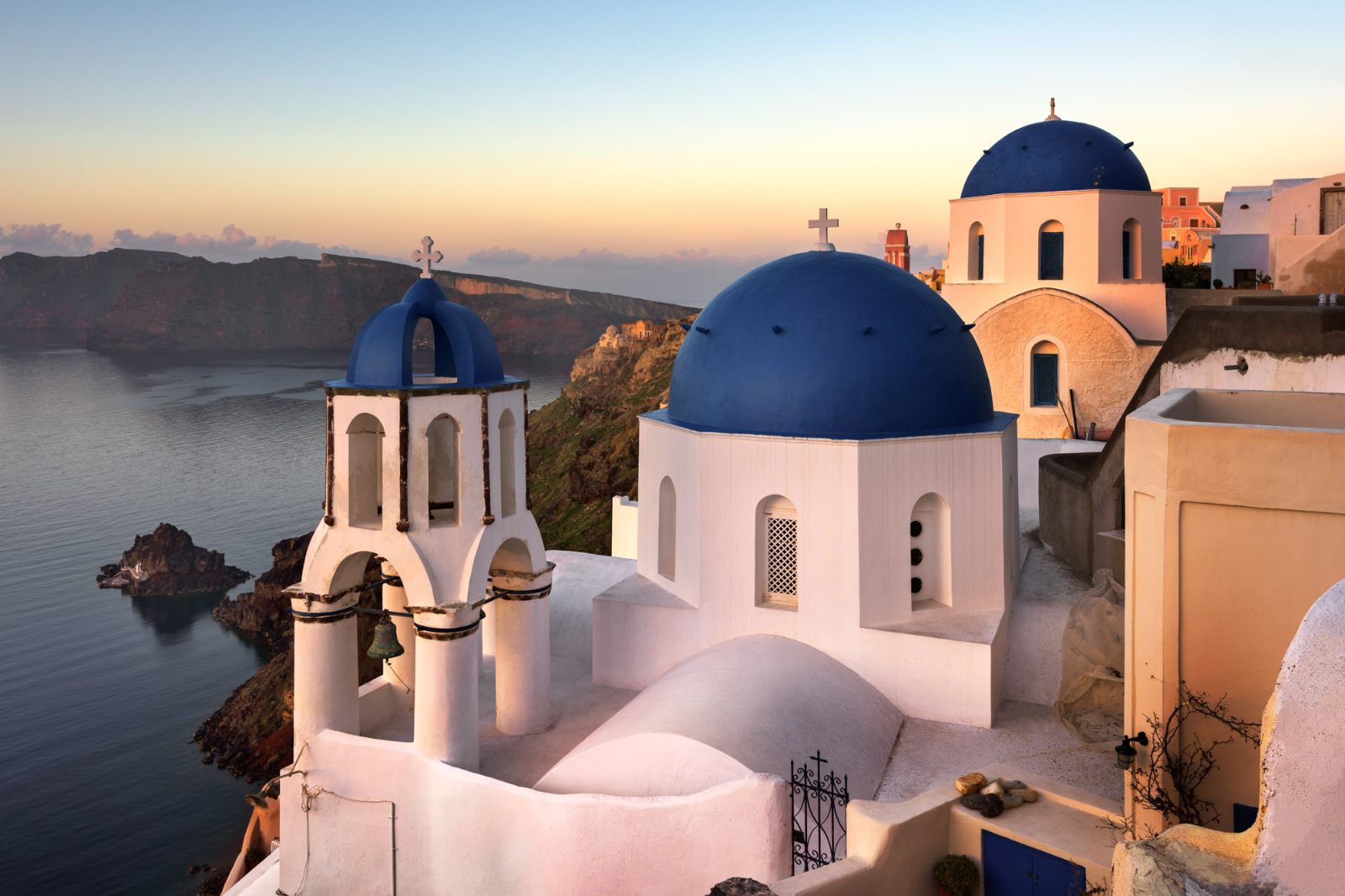
Oia Blue Dome Viewpoint
Position yourself on the path above the domes to capture the contrast between vibrant blue roofs and white-washed walls.
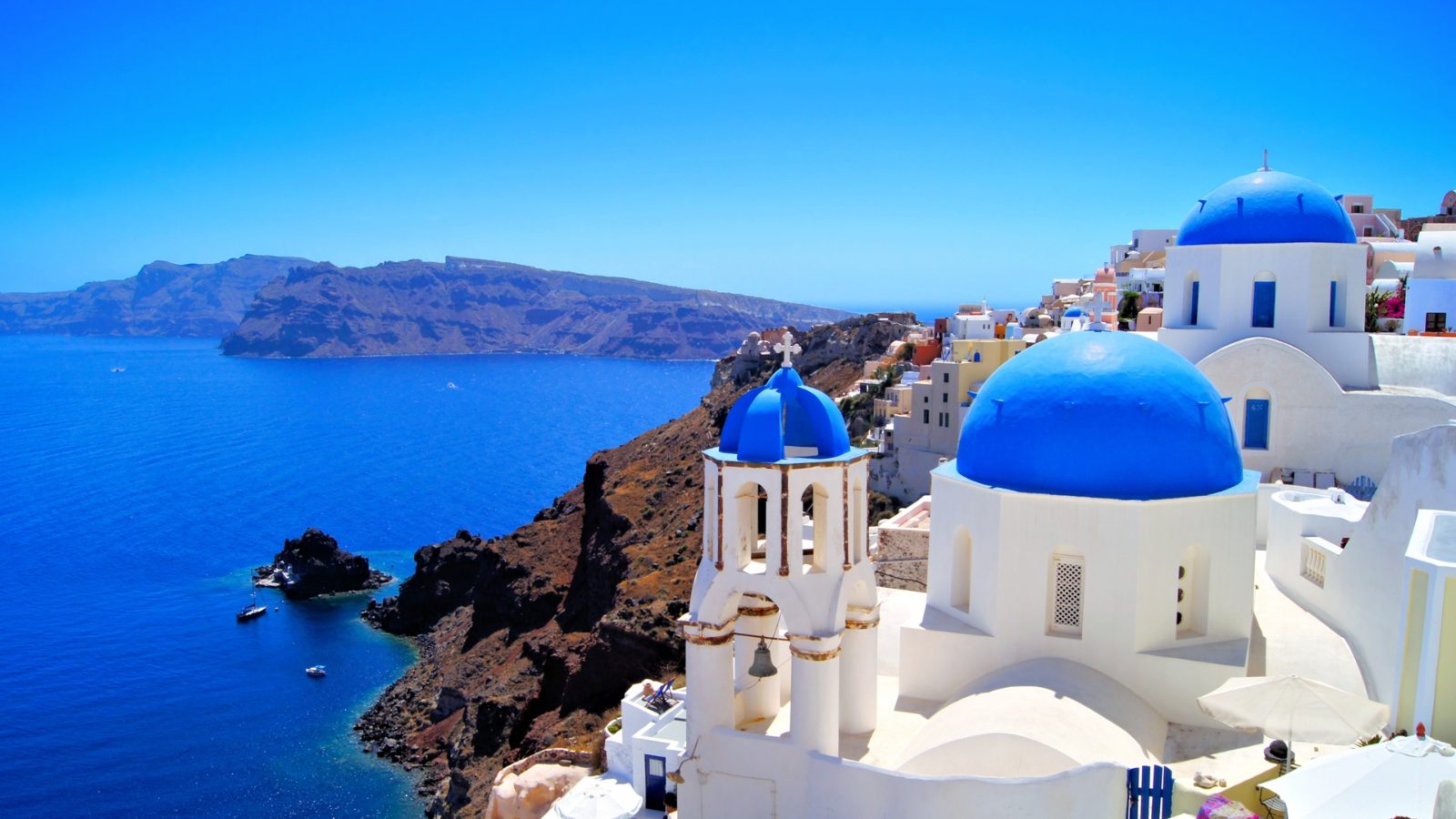
Three Bells of Fira
Stand on the hillside path looking toward the church bell tower with the Aegean Sea as a backdrop.
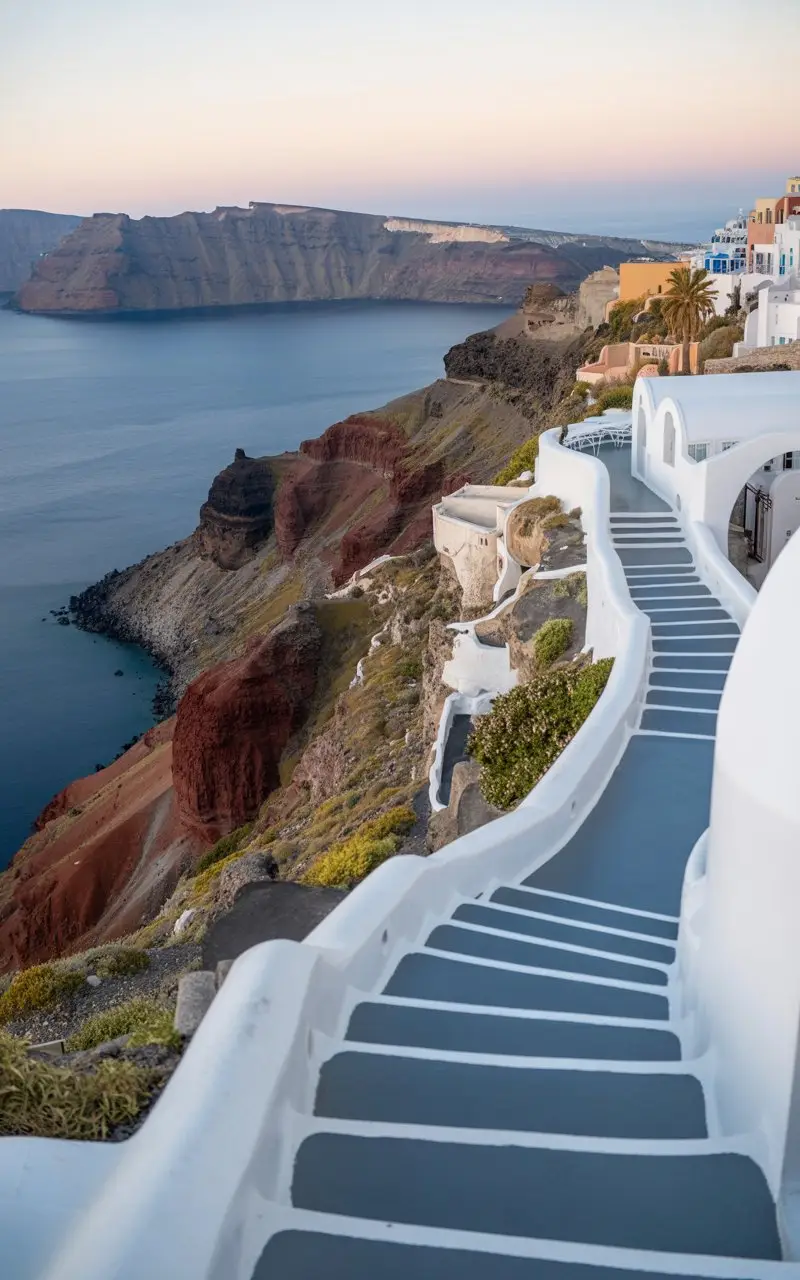
Imerovigli Caldera Path
Use the winding cliffside walkway to create depth behind the dress train against the volcanic caldera edge.
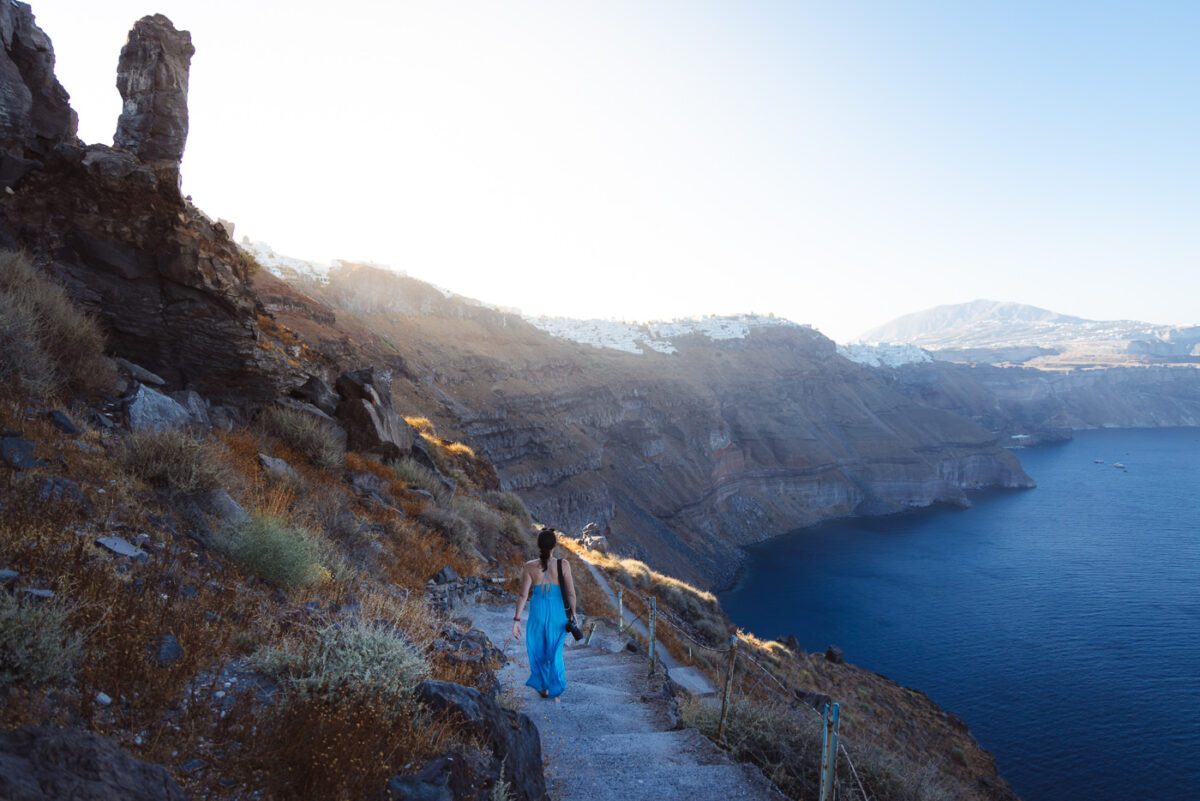
Skaros Rock Trail
Utilize the rugged volcanic rock formations in the background to provide a textured contrast to flowing fabric.
Check availability
Common questions about what to wear in Santorini
Everything you need to know about what to wear in santorini